



Operational Performance Modeling

Turning operational control into action instead of just measuring performance

  • A clearly structured operating model for strategic goals and operational control

  • Accurate performance management with defined KPIs and clear steering metrics

  • Integrated control models across business, finance, and controlling

  • Transparency across responsibilities, processes, and operational results

  • Measurable outcomes driven by data-based decision-making

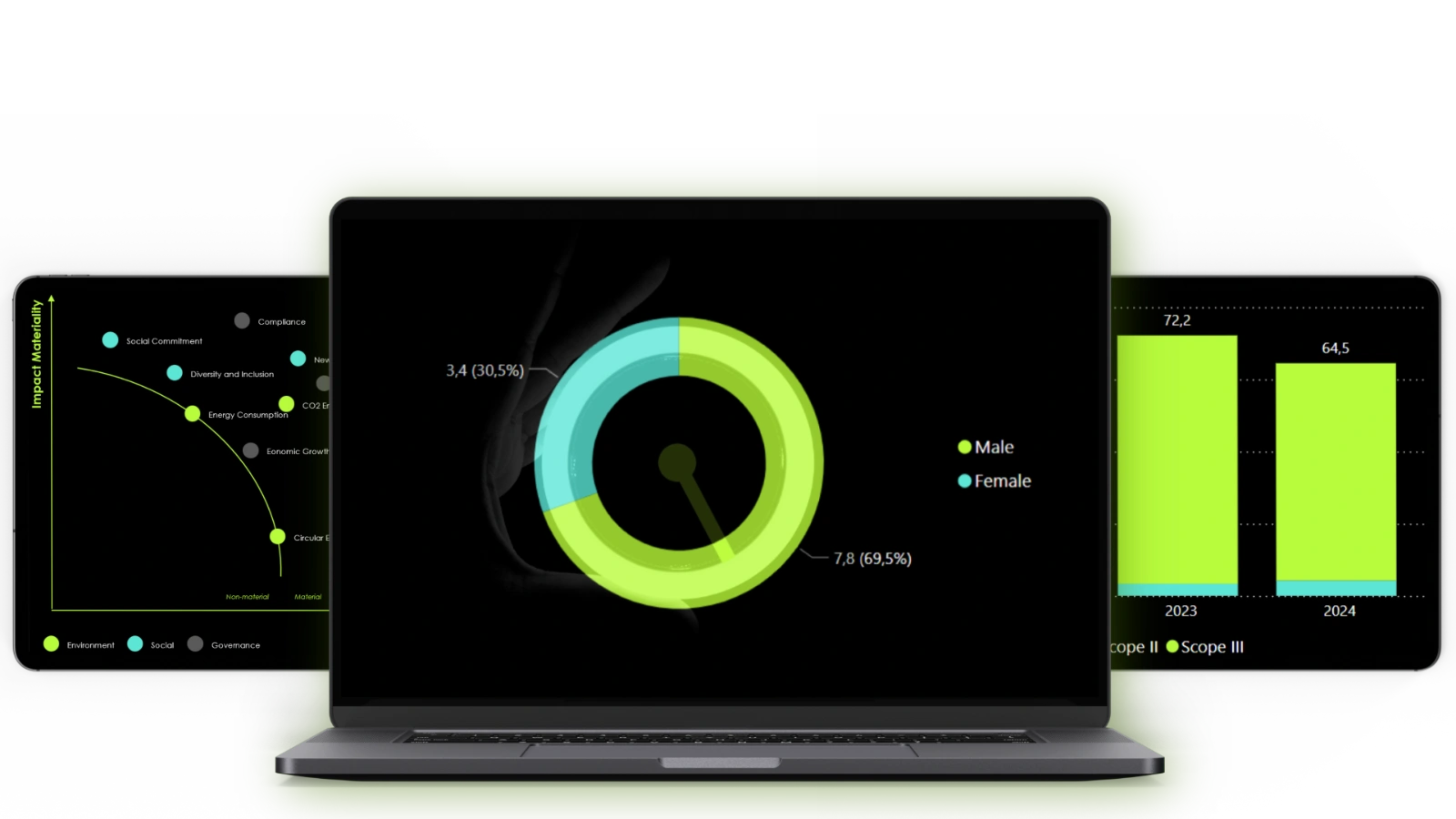
Power BI Dashboard

Radial Consulting known from:

Why performance management fails without a clear operating model

Many organizations measure performance without being able to actively steer it. Data is available, reports are produced, and initiatives run in parallel, yet the overall impact remains limited. Operational Performance Modeling addresses this gap by connecting strategic performance management with a clearly defined operating model and establishing a control logic that works in day-to-day operations.
Create integrated steering

Assess existing steering mechanisms and identify patterns and where decisions are made in isolation. Build an integrated steering model that connects strategy, operational execution and performance management into a consistent decision framework.

Anchoring responsibilities clearly

Get a holistic view of how roles, responsibilities and decision rights are currently defined and establish clear accountability and decision structures. The operating model ensures decisions are transparent, consistent and effectively executed.

Positioning KPIs strategically

Evaluate existing KPIs in the context of strategic objectives and operational steering, focusing on metrics that truly drive decisions. This turns performance management from passive reporting into an active steering instrument.

Design efficient and scalable processes

Analyze manual and fragmented steering processes and their impact on efficiency and decision quality. Develop integrated processes that reduce manual effort and support a scalable steering architecture.

Create business transparency

Establish transparency across performance, profitability and operational development by aligning reporting with steering logic. Results become understandable in context and usable as a reliable basis for decision-making.

Enabling structured transformation

Develop a clearly defined target operating model as the structural foundation for transformation and realignment. Initiatives are prioritized, dependencies become visible and change is anchored in a coherent logic rather than isolated actions.

What we deliver to optimize the Operating Model

  • Design of an integrated operating model that consistently connects strategy, organization, processes, and control with clear decision and accountability structures

  • Development of an effective control model that defines operational steering processes, governance, and decision logic and works reliably in day-to-day operations

  • Creation of a performance management framework with well-defined Key Performance Indicators and metrics aligned to strategic objectives and prioritized for steering relevance

  • Tight integration of business, finance, and controlling to enable holistic performance steering and early identification of trade-offs

  • Design and implementation of technology-enabled control processes that make reporting, forecasting, and decision-making efficient, transparent, scalable and predictive, while ensuring that clear and relevant key measures are derived from the operating model and consistently validated

Who We Support with Implementing Operational Performance

Our Operational Performance Modeling services are designed for organizations looking to professionalize corporate steering and actively manage operational performance. A clearly defined operating model provides the foundation to translate strategy into execution, structure steering processes, and support confident, well-informed decision-making.

  • Mid-sized companies facing increasing complexity, growing steering requirements, or operational inefficiencies and seeking a clearly aligned operating model

  • Private equity-backed or growth-oriented businesses that require transparent operating models, reliable KPIs, and clear steering logic to support value creation and transformation

  • CFOs, controllers, and finance teams who want to use performance management as an active steering instrument rather than relying on traditional reporting alone

  • Organizations operating in Germany and the United States, including international setups with bilingual collaboration

Bildschirm Mockup

Our structured approach to operational performance steering

The duration of each project depends on its individual scope and requirements and therefore cannot be generalized. The timeline below serves as an example to illustrate our approach and provide a better understanding of the typical phases. Your specific project schedule will be predefined together during the initial planning stage.

An effective operating model does not emerge from workshops alone. What matters is a clear approach that connects analysis, design, and implementation and delivers steering-relevant results early on. Our Process and Timeline:

Week 0 to 1:

Kickoff, target vision and scope definition, identify areas for improvement, classification of key use cases, analysis of existing KPIs, reports, historical data and real-time data and control processes.

Week 1 to 2:

Analysis of value drivers, data collection quality, and responsibilities, first insights delivered through structured dashboards, definition of core steering metrics.

Week 2 to 3:

Design of the target operating model including governance, role model, and steering logic, derivation of key workflow processes.

Week 3 to 4:

Seamless implementation planning, tool selection, automation of core control processes, validation, and handover of final models.

Does this sound relevant for your Business?

When performance is measured but not actively steered, potential remains untapped. Operational Performance Modeling provides the foundation for effective, strategically aligned control. Let’s assess together how your operating model can be clearly structured, efficiently aligned, and sustainably steerable.

Tools and Capabilities for Effective Steering

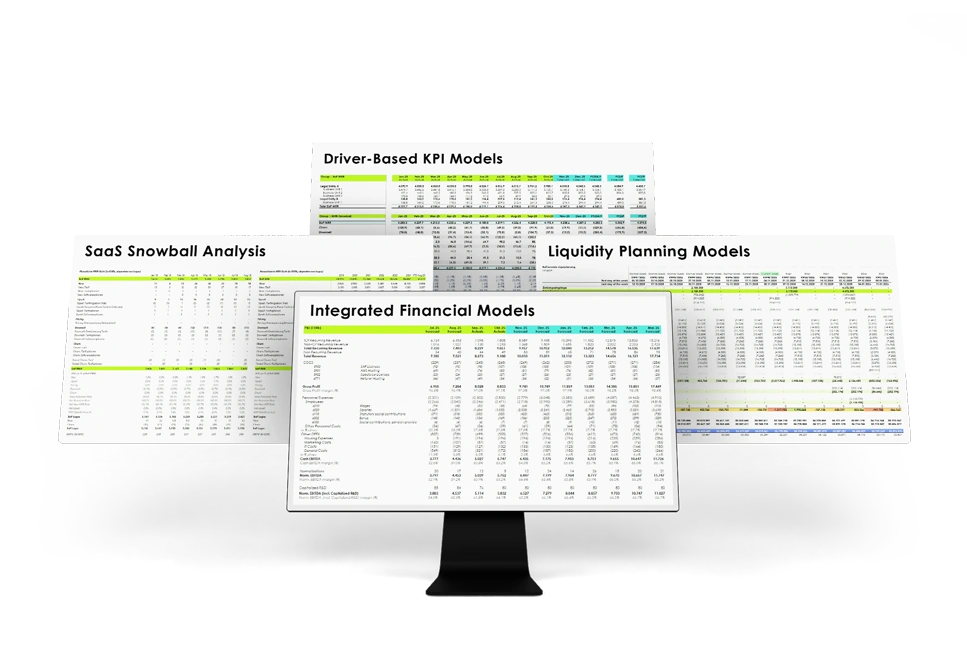
  • Reporting and controlling using Power BI combined with SQL-based modeling

  • Integrated data models for consistent KPIs and metrics

  • Automation of reporting and forecasting processes

  • Role-based access models and governance structures to ensure compliance

  • Flexible tool stacks ranging from Excel-based models to established performance management systems

  • Use of artificial intelligence for insights, classification, and recurring use cases where appropriate

How Performance Management Becomes Effective

  • Clear objectives and defined steering metrics that translate strategic priorities into operational efficiency and decisions

  • Tight alignment between strategy and operational control so goals are implemented in daily operations

  • Efficient control processes that shorten decision paths, reduce coordination effort, and create accountability

  • Transparency through reporting and forecasting that explains relationships between performance, development, and long-term success

  • Assurance of compliance and governance through clearly defined control logic, roles, and decision rights

The Value of Operational Performance Modeling

Operational Performance Modeling forms the foundation for resilient corporate steering. It increases adaptability in dynamic environments and provides stability during growth, transformation, or periods of increased volatility.

  • Sustainable optimization of efficiency and profitability by consistently aligning control logic, processes, and resources with value drivers

  • Sound decision-making based on reliable insights that increase transparency and reduce management uncertainty

  • Competitive advantage through clear steering logic that enables fast responses to market and internal changes

  • Effective steering of sales and finance by aligning operational actions, financial targets, and strategic priorities

  • Securing long-term business success by managing performance structurally rather than through isolated initiatives

Why Radial?

  • Big Four quality combined with the speed and pragmatism of a boutique firm

  • Leadership by former Big Four professionals with deep transformation experience

  • Data-driven delivery with models, dashboards, and clear governance

  • Clear responsibilities and measurable results delivered week by week

Radial Consulting Logo

Ready for the next step?

A clear operating model and effective performance steering determine whether strategy truly translates into day-to-day execution. We support you in designing, implementing, and sustainably embedding control models that work in practice.

Let’s talk about your objectives and the challenges you’re looking to address.

Wolf-Heinrich Werling

These companies already rely on our expertise:

Frequently Asked Questions

Operational Performance Modeling describes the design of an integrated control model that connects the operating model, performance management, and operational steering.

Traditional controlling is often backward-looking, focusing on historical results. Operational Performance Modeling enables active, forward-looking through customizable inputs and assumptions by improving productivity throughout the organization and aligning output with strategic and operational objectives.

KPIs are central performance indicators but only become effective within a clearly defined control model.

Yes. Especially in mid-sized organizations, a clear operating model creates transparency and steerability.

Typically, only a few weeks from analysis to implementation planning, with early steering-relevant results becoming visible quickly.

What our customers say

Thorsten Preiss
Radial has helped us make great strides in our efforts to digitize financial reporting and increase transparency. I look forward to the next steps, in which we will once again be relying on Radial for support.
Thorsten Preiss, DETAX GmbH

Operational Performance Modeling as the foundation for measurable results

A clearly defined operating model combined with integrated performance steering forms the foundation for sustainable business development. Operational Performance Modeling creates clarity, improves decision quality, and translates strategic objectives into effective operational execution. It aligns steering logic, responsibilities, and KPIs in a consistent way that works in day-to-day operations, delivering measurable results that are built to last rather than short-term fixes.