



Effective Operating Model

Structures and Processes that make Strategy Work in Day-to-day Operations

  • Anchor strategy in clear roles, processes and decision frameworks

  • Create transparency across responsibilities, interfaces and governance

  • Optimize processes along value creation, productivity and effectiveness

  • Reduce complexity and increase speed in execution

  • Build an operating model that is scalable, measurable, effective and future-ready

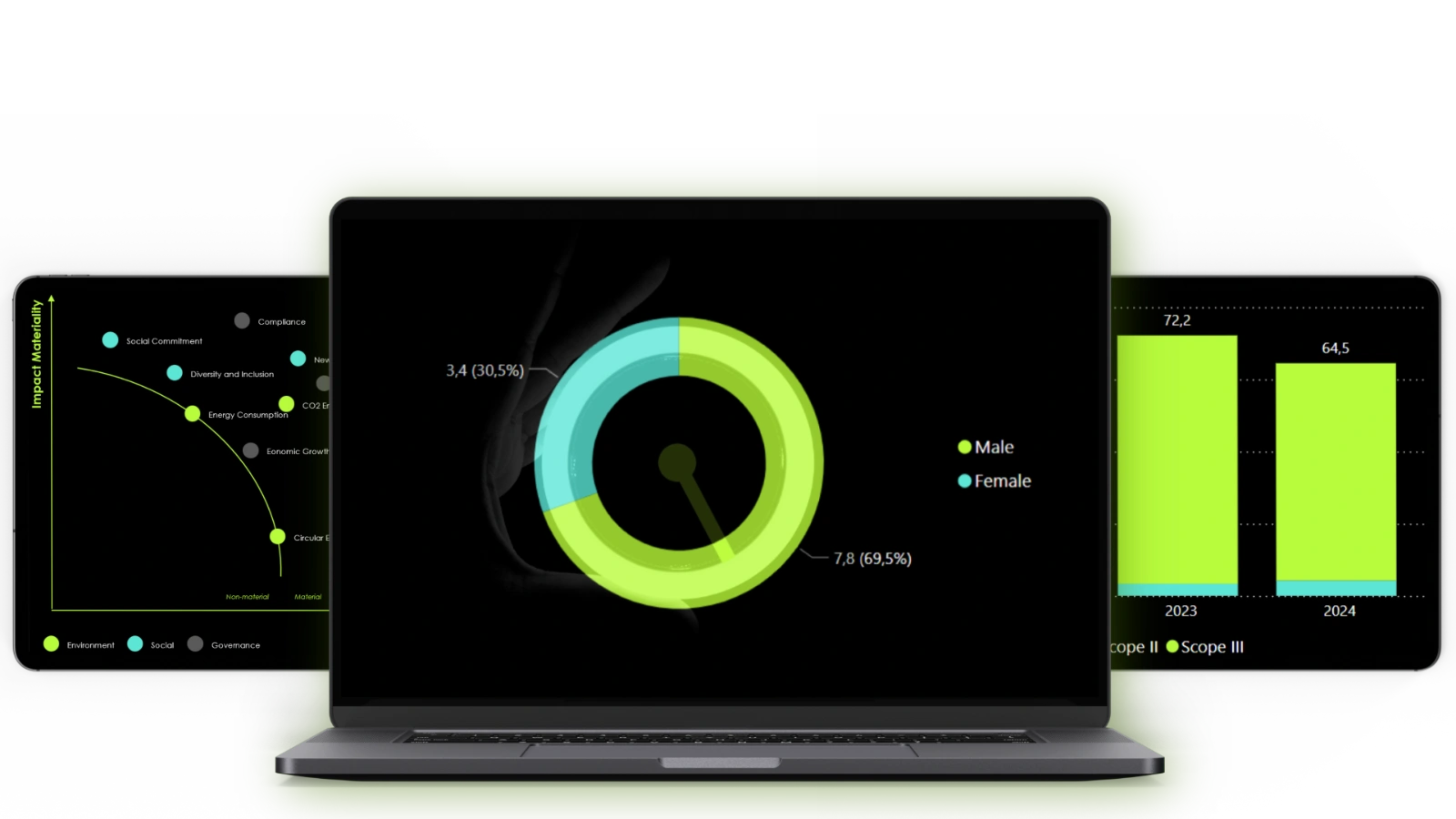
Power BI Dashboard

Radial Consulting known from:

Why do Operating Models and Process Optimization matter?

Many organizations define clear strategic ambitions, yet struggle to translate them into consistent operational execution. Ambiguous accountability, fragmented processes and insufficient governance structures often result in delayed decisions, misaligned priorities and inefficient resource allocation. A robust operating model combined with structured process optimization establishes the organizational and operational foundation required to turn strategy into sustained executional impact.
Strategic clarity

A clear operating model translates strategy into defined responsibilities, decision rights and collaboration models across the organization. Teams and leadership gain clarity on roles, capabilities and how individual contributions support overall strategic goals.

End-to-end process perspective

Process optimization takes a holistic view across the entire value chain. Interfaces, dependencies and sources of friction become transparent and can be addressed in a structured way. Digitalization, technology and automation are applied selectively to create processes that are robust, scalable and fit for change.

Effective decision-making

Clear governance structures shorten decision paths and create reliability. Roles, escalation mechanisms and steering bodies are clearly defined and supported by aligned reporting structures, enabling informed and timely decisions.

Measurable performance

Operating models and processes are aligned with clear KPIs. Productivity, cycle times, quality and effectiveness can be managed in a targeted way and continuously improved through transparent performance measurement.

Scalability and stability

A robust operating model grows with the organization. Processes remain stable, transparent and controllable even as complexity increases, while structures are designed to support future growth and change.

Sustainable Implementation

Optimization does not stop at the target design. New structures and processes are embedded in a way that ensures adoption, day-to-day use and long-term effectiveness as part of the organization’s strategy.

What We Deliver

  • A clear operating model target picture that shows how strategy, governance and operational accountability work together

  • End-to-end process designs that make value creation, interfaces and dependencies transparent and manageable

  • Clearly defined roles and decision frameworks that reduce friction and improve accountability

  • A consistent KPI and steering logic that makes impact, performance and progress measurable

  • A prioritized implementation roadmap that guides the transition from target design to execution

  • Structured documentation and handover to ensure the model remains sustainable and evolves over time

Who We Support With Our Business Operating Models

  • Growing organizations where existing structures and processes are reaching their limits

  • Leadership teams seeking to operationalize strategy, not just define it

  • Organizations undergoing transformation, reorganization or developing new target operating models

  • CFOs, COOs and operational leaders aiming to improve steering, collaboration and performance through clear models and reliable reporting

  • International organizations requiring consistent operating models across business units

Bildschirm Mockup

A Structured Approach To Sustainable Optimization

Project duration depends on scope and requirements; the example below illustrates a typical Liquidity Planning implementation. Your individual project timeline will be defined during the initial planning phase. The development of an effective operating model and efficient processes follows a structured and pragmatic approach. Within a few weeks, a clear target picture and concrete implementation measures are established.

Week 0 to 1:

Joint analysis of strategy, organization, processes and existing steering mechanisms.

Week 1 to 2:

Definition of the operating model, process architecture and governance framework.

Week 2 to 3:

Identification of key levers, quick wins and prioritized implementation initiatives.

Week 3 to 4:

Implementation support, documentation and structured handover to the organization.

Operating Models and Process Optimization As The Foundation For Continuous Improvement

A resilient operating model and well-designed processes are essential to embed strategy sustainably into daily operations. They create orientation, reduce complexity and enable consistent steering across functions and levels. Process optimization increases transparency along the value chain and highlights dependencies, bottlenecks and inefficient structures. Radial supports organizations in developing these foundations systematically, creating a reliable basis for sustainable performance and effective transformation.

Technical and Methodological Foundation

An effective operating model requires clear methods, transparency and reliable data. Organizational design, process management and performance steering are combined into an integrated approach.

  • A clear structural and model logic that connects strategy, organization and operational execution

  • Consistent definitions of roles, processes and KPIs to establish a shared working foundation

  • Integration into existing steering and reporting structures so the operating model becomes part of ongoing management processes

  • Clear documentation of structure and logic to ensure transparency and enable future adjustments

Why Radial?

Radial combines strategic depth with operational execution strength. We work in a structured, data-driven way and closely with your organization.

  • Big Four quality combined with the speed and flexibility of a boutique consultancy

  • Leadership by former Big Four professionals, bilingual teams and a private-equity mindset

  • Data-driven delivery with dashboards, models and governance you retain ownership of

  • Proactive communication and clearly defined responsibilities that deliver tangible results week by week

Radial Consulting Logo

These companies already rely on our expertise:

Frequently Asked Questions

An operating model defines how strategy is translated into operations, including roles, processes, governance, steering and collaboration.

Process optimization takes an end-to-end perspective across the value chain rather than focusing on isolated steps or cost measures.

Organizations that are growing, transforming or experiencing increasing complexity.

Depending on scope, from a few weeks to several months. Initial results are often visible early.

Yes. We support not only design but also the operational embedding of measures.

What our customers say

Thorsten Preiss
Radial has helped us make great strides in our efforts to digitize financial reporting and increase transparency. I look forward to the next steps, in which we will once again be relying on Radial for support.
Thorsten Preiss, DETAX GmbH

Operating models and processes that create impact

For strategy to become effective within an organization, a clear operating model and resilient processes are essential. They provide orientation, enable consistent decision-making and keep organizations capable of acting even in times of change.

Radial supports you in aligning operating models and processes so that strategy, organization and governance work together coherently and deliver impact in everyday operations. Let’s explore how this can become a stable foundation for sustainable performance.